The short version
For most couples, yes, but the result depends far more on what the two of you bring than on the method the therapist uses. Couples counseling works well when both partners are willing to look at their own part, when the relationship isn't already a formality, and when you start before resentment has had a decade to set. It works poorly when one person has already decided and is attending to prove they tried. Many couples notice meaningful change inside eight to twelve sessions, though complicated histories take longer.
Why this question is worth asking out loud
People ask me this on the consultation call, usually in an apologetic tone, as though it's rude to want evidence before spending money and dredging up the worst conversations of your marriage in front of a stranger. It isn't rude. It's a fair question, and the honest answer is more useful than a reassuring one.
The research on couples therapy is broadly encouraging. Multiple established approaches have been studied and most report that a majority of couples improve, with gains that hold up at follow-up. The studies also vary in quality and in how they define improvement, so treat any single percentage you see on the internet with some caution. What the research is clearer about is the shape of the thing: couples who come in earlier do better, and couples where both partners are genuinely participating do better.
That second point is the one that matters most, and it's the part nobody can promise you in advance.
What makes it work
Four things show up again and again in the couples who get somewhere.
Both people are willing to be wrong about something. Not wrong about everything, and not cast as the designated problem in the relationship. Just open to discovering that their read on one recurring conflict was incomplete. Couples where each person arrives with a closing argument tend to stall, because the sessions turn into a trial with me cast as the judge, and I'm not going to take that job.
There's something left to work with. Affection that has gone dormant is workable. Affection that has genuinely ended is a different conversation, and an honest one worth having.
You start before it's a formality. Couples routinely wait years past the point where the pattern was obvious. The delay is understandable, because seeking help feels like conceding the relationship is in trouble. It also makes the work harder, since by then the conflicts have rehearsed themselves hundreds of times and each person has a fully built case.
And the work continues between sessions. An hour a week doesn't change a marriage. What changes it is the Tuesday night when one of you catches the pattern midstream and does something different, and the two of you talk about it afterward. Sessions are where you learn to see the pattern. The rest of the week is where it actually shifts.
What makes it fail
I'd rather be direct here, because the failure modes are predictable.
One partner has already left internally and is attending so that the eventual decision looks reasonable. I can usually sense this within a few sessions and I'll name it, gently, because continuing without naming it wastes your money and everyone's time.
Or counseling gets used as a referee service. Each person brings the week's evidence and waits for a verdict. Nothing changes because nothing is being examined, only argued.
Or the real problem sits outside the relationship and isn't being addressed. Untreated depression, a drinking problem, unprocessed grief, or a work situation grinding someone down will keep resurfacing in couples sessions in disguised form. Sometimes the right sequence is a stretch of individual counseling first, or alongside.
There's also the case where the pattern is abuse rather than conflict. Where there's fear of a partner, intimidation, or control, standard couples work is not appropriate and can make things less safe. That situation needs a different kind of help, and if it describes yours, please talk to someone about it on your own first.
What sessions actually consist of
Less argument refereeing than people expect. Most of my couples counseling work is about slowing the conflict down enough to see the mechanics of it.
A typical sequence: we take one real fight, recent enough that you both remember the details, and walk through it beat by beat. Where did each of you feel the shift? What did you each think the other was saying? What were you actually trying to communicate before it went sideways? Almost every couple discovers that the fight they've been having for years is not the fight either of them thought it was. The one about the dishes is rarely about the dishes.
From there the work goes underneath the pattern. Unmet needs, old attachment habits, the things each of you learned about conflict in the house you grew up in. Both partners are heard equally, and neither of you gets assigned the role of the problem.
If the same argument keeps circling back no matter how it starts, this piece on why couples keep having the same fight covers that specific pattern in more depth.
How long it takes
Some couples notice meaningful change within eight to twelve sessions. That's the honest middle. Couples arriving with a single defined issue, decent goodwill, and no major betrayal in the history sometimes need fewer. Couples working through infidelity, a long accumulation of resentment, or a major life rupture should expect longer, and should be suspicious of anyone promising a quick resolution.
You'll generally know inside three or four sessions whether the process is going to be useful, which is why I'd rather you commit to a short stretch and evaluate honestly than sign on to something open-ended out of obligation.
What if my partner won't come?
Common situation, and not a dead end. Individual work on your side of a relationship pattern changes the pattern, because patterns need two participants to hold their shape. I've seen the reluctant partner come along later, after seeing that therapy was not the ambush they pictured.
What I won't do is treat the absent partner as the defendant in their own absence. That would be recruitment rather than therapy, and it wouldn't help you.
If you want to talk
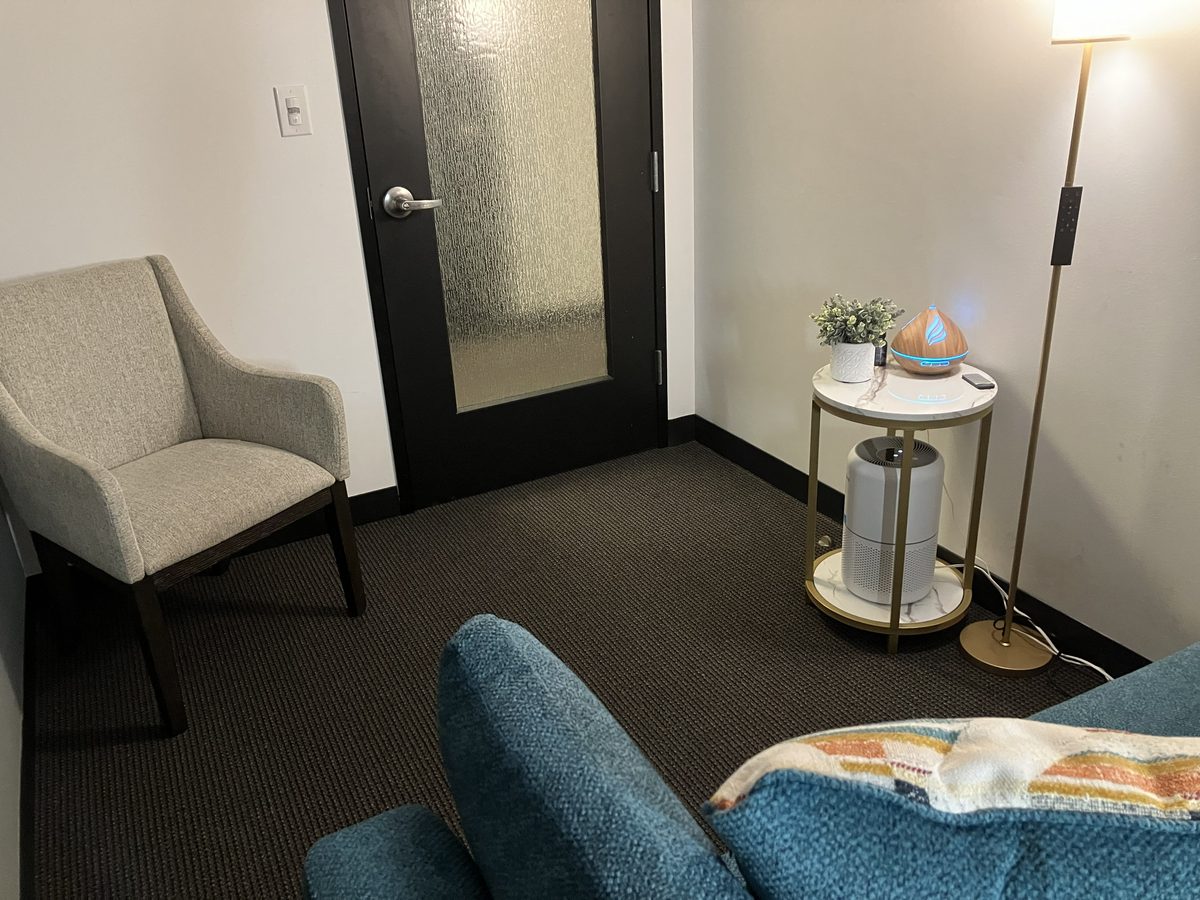
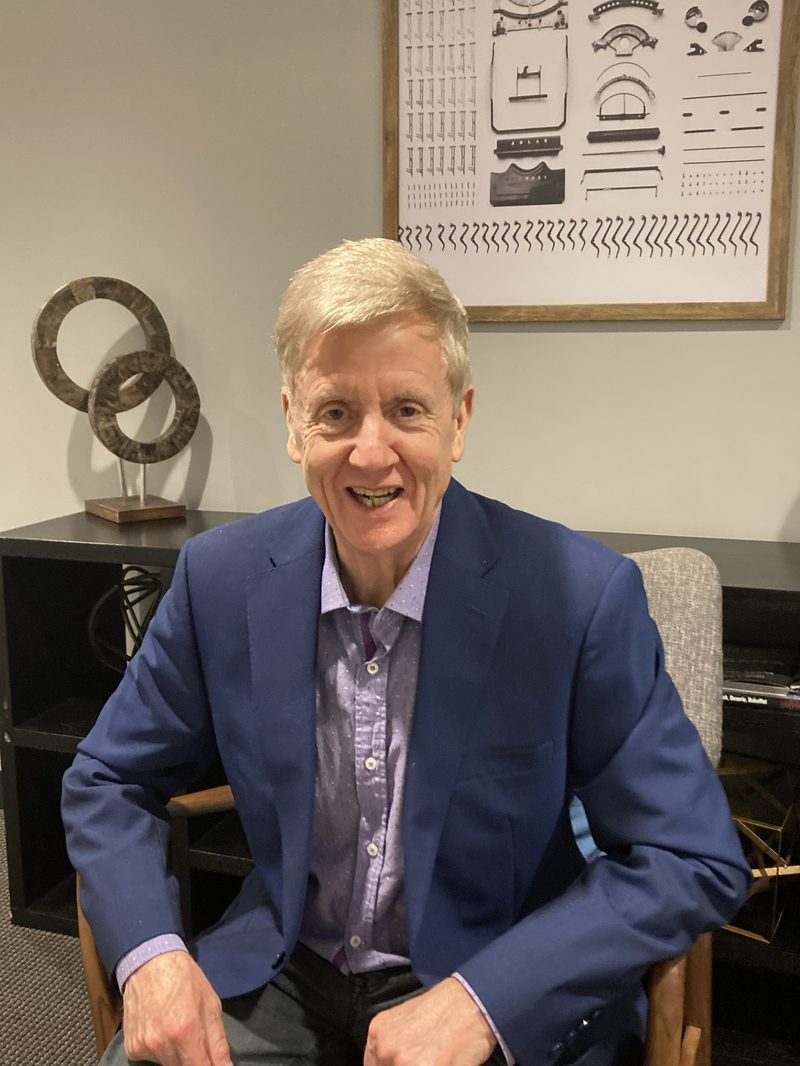
I'm Daniel Erbach, LCSW. I've practiced in New Jersey for more than twenty years, including work in crisis intervention and de-escalation, which shapes how I handle a session that gets heated. My office is at 28 Valley Rd, Suite 1 in Montclair, and I work with couples across Essex County, including Bloomfield, West Orange, Cedar Grove, and Newark. Telehealth is available throughout New Jersey, which many couples find easier than coordinating two commutes and a sitter.
The free fifteen-minute consultation is open to both of you, and it's a reasonable way to test whether this feels workable before committing to anything. Call (862) 346-1789.
Schedule a free consultation →
Daniel Erbach, LCSW, is a licensed psychotherapist in Montclair, New Jersey with more than twenty years of experience working with individuals and couples. Any examples here are composites and describe no individual client. This article is general information, not clinical advice, and does not create a therapeutic relationship.